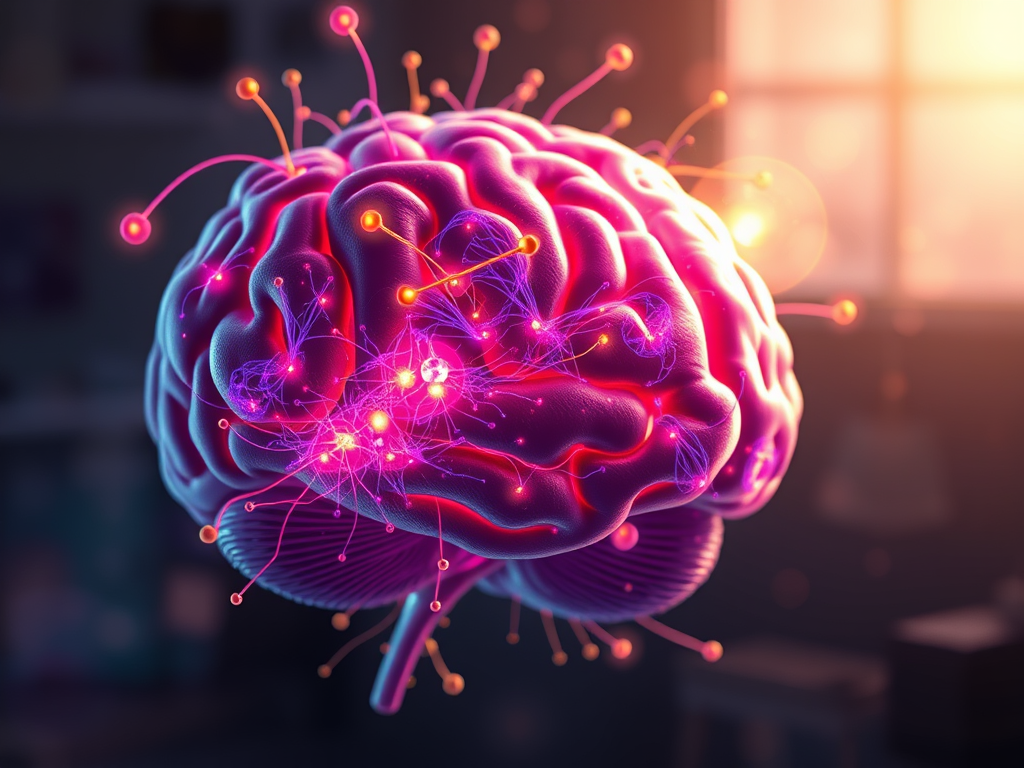
Neuroplasticity is the brain’s ability to adapt and reorganize itself in response to new experiences, behaviors, and environments. Unlike the outdated belief that the brain is fixed after a certain age, research has shown that it is constantly changing and evolving throughout our lives. This adaptability is what allows us to learn new skills, recover from injuries, and form new habits.
When you practice a new skill or repeatedly engage in a specific activity, the brain strengthens the connections between neurons associated with that task. Over time, these neural pathways become more efficient, making the activity feel easier or more natural. This same process can also work in reverse, with unused pathways weakening, demonstrating the brain’s dynamic nature.
Neuroplasticity is also crucial for recovery. After an injury, the brain can often compensate for damaged areas by rerouting functions to healthier regions. This process, known as functional reorganization, is why rehabilitation and therapy can be so effective in regaining abilities.
Understanding neuroplasticity highlights the importance of our daily choices. Each action, thought, or experience can shape the brain in meaningful ways, reinforcing the idea that growth and change are always possible. Whether it’s learning a new language, meditating, or simply breaking a bad habit, tapping into neuroplasticity can unlock your potential for lasting improvement.
 Brewology Mind
Leave a comment